The Ultimate Guide to Vitamin D Sources for Non-Dairy Eaters
Discover the best non-dairy sources of Vitamin D, including fortified foods, supplements, and sunlight exposure for optimal health.

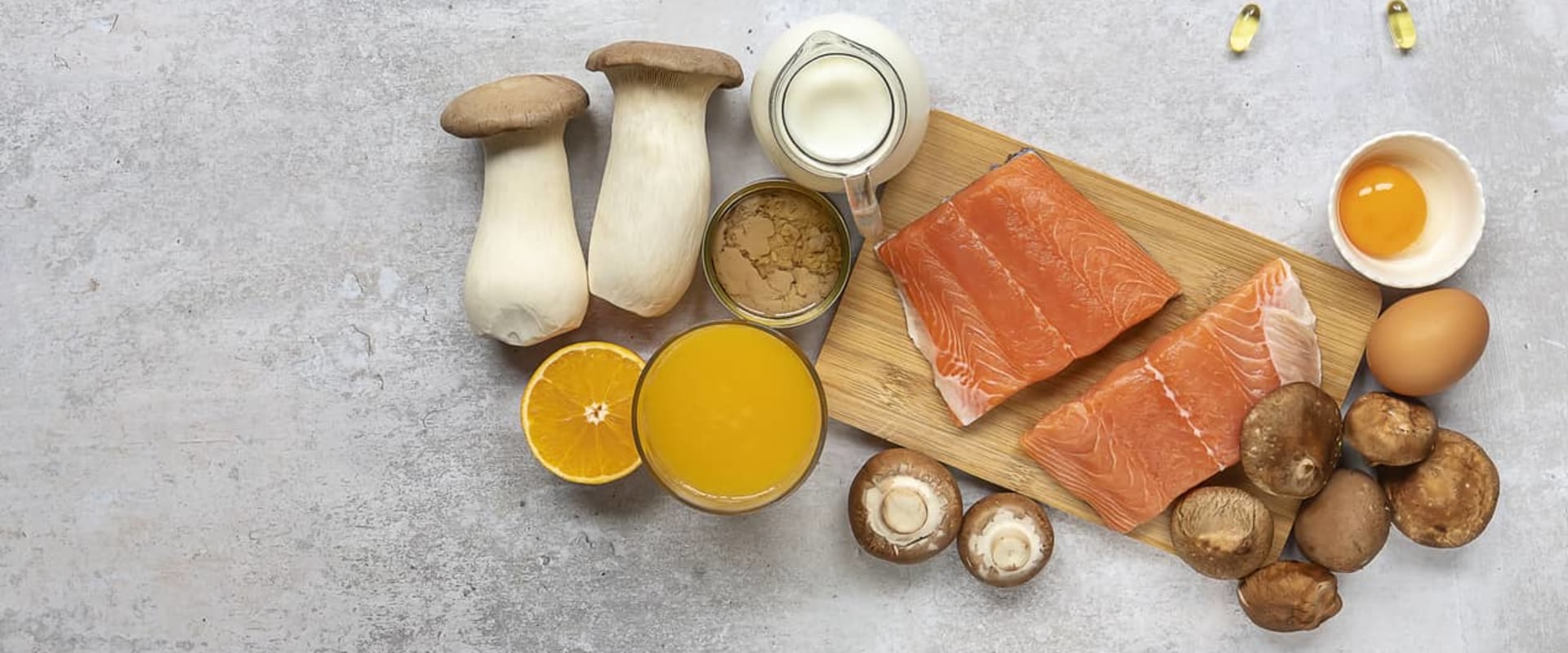
Vitamin D is often referred to as the "sunshine vitamin" due to its unique ability to be synthesized by the body when exposed to sunlight. This vital nutrient plays a multifaceted role in maintaining our overall health, influencing everything from bone strength to immune function. Despite its importance, many individuals, particularly those who follow non-dairy diets, may find it challenging to obtain adequate levels of Vitamin D through their food sources alone. To fully grasp the importance of this vitamin and its benefits, it's essential to explore the broader question of what are vitamins and supplements? Understanding this significance is crucial for anyone looking to enhance their well-being. One of the primary functions of Vitamin D is its role in calcium absorption, which is essential for developing and maintaining strong bones and teeth. Vitamin D is often referred to as the "sunshine vitamin" due to its unique ability to be synthesized by the body when exposed to sunlight. This vital nutrient plays a multifaceted role in maintaining our overall health, influencing everything from bone strength to immune function. Despite its importance, many individuals, particularly those who follow non-dairy diets, may find it challenging to obtain adequate levels of Vitamin D through their food sources alone. To fully grasp the importance of this vitamin and its benefits, it's essential to explore the broader question of what are vitamins and supplements? Understanding this significance is crucial for anyone looking to enhance their well-being. One of the primary functions of Vitamin D is its role in calcium absorption, which is essential for developing and maintaining strong bones and teeth. is often referred to as the "sunshine vitamin" due to its unique ability to be synthesized by the body when exposed to sunlight. This vital nutrient plays a multifaceted role in maintaining our overall health, influencing everything from bone strength to immune function. Despite its importance, many individuals, particularly those who follow non-dairy diets, may find it challenging to obtain adequate levels of Vitamin D through their food sources alone. To fully grasp the importance of this vitamin and its benefits, it's essential to explore the broader question of what are vitamins and supplements? Understanding this significance is crucial for anyone looking to enhance their well-being. One of the primary functions of Vitamin D is its role in calcium absorption, which is essential for developing and maintaining strong bones and teeth. Vitamin D is often referred to as the "sunshine vitamin" due to its unique ability to be synthesized by the body when exposed to sunlight. This vital nutrient plays a multifaceted role in maintaining our overall health, influencing everything from bone strength to immune function. Despite its importance, many individuals, particularly those who follow non-dairy diets, may find it challenging to obtain adequate levels of Vitamin D through their food sources alone. To fully grasp the importance of this vitamin and its benefits, it's essential to explore the broader question of what are vitamins and supplements? Understanding this significance is crucial for anyone looking to enhance their well-being. One of the primary functions of Vitamin D is its role in calcium absorption, which is essential for developing and maintaining strong bones and teeth.
Insufficient Vitamin D levels can lead to a range of health issues, including osteoporosis and an increased risk of fractures. Beyond bone health, research has shown that Vitamin D also supports the immune system, helping the body fend off infections and diseases. Furthermore, emerging studies suggest that adequate Vitamin D levels may be linked to a lower risk of chronic conditions such as heart disease and certain cancers. For non-dairy eaters, ensuring sufficient Vitamin D intake can be particularly challenging since dairy products are among the most common dietary sources of this nutrient. This demographic includes vegans, lactose-intolerant individuals, and those who simply choose to avoid dairy for various reasons.
As a result, it becomes imperative for these individuals to seek alternative sources of Vitamin D through fortified foods, supplements, or safe sun exposure. By being proactive about their Vitamin D intake, non-dairy eaters can enjoy the numerous health benefits associated with this essential vitamin while maintaining their dietary preferences.
Challenges Faced by Non-Dairy Eaters in Obtaining Vitamin D
Individuals who follow a non-dairy diet often face unique challenges when it comes to obtaining adequate levels of Vitamin D. This essential nutrient is crucial for various bodily functions, including bone health, immune system support, and overall well-being. However, the absence of dairy products in their diet can lead to potential deficiencies and health risks. One of the primary challenges is the limited availability of natural food sources rich in Vitamin D.Dairy products, such as milk and cheese, are well-known for their high Vitamin D content. For non-dairy eaters, this means they must seek alternative sources, which can be less abundant or less well-known. Foods like fatty fish (e.g., salmon and mackerel) and egg yolks are excellent sources of Vitamin D but may not fit into every non-dairy diet, particularly for vegans. Moreover, many non-dairy alternatives, such as plant-based milks and yogurts, are often fortified with Vitamin D. However, the levels of fortification can vary significantly between brands and products.
Some may contain only minimal amounts of this vital nutrient, making it essential for consumers to read labels carefully to ensure they are meeting their daily requirements. Another significant challenge is the risk of Vitamin D deficiency itself. Insufficient intake can lead to various health issues, including:
- Bone Health Problems: A lack of Vitamin D can result in weakened bones and an increased risk of fractures or conditions like osteoporosis.
- Immune System Weakness: Vitamin D plays a role in modulating the immune response; deficiency may lead to a higher susceptibility to infections.
- Mood Disorders: Some studies suggest a link between low Vitamin D levels and mood disorders such as depression.
Awareness of these challenges is crucial for individuals on such diets to take proactive steps in ensuring they meet their nutritional needs effectively.
Top Non-Dairy Sources of Vitamin D
For those who avoid dairy, finding adequate sources of Vitamin D is essential for maintaining optimal health. Fortunately, there are several non-dairy sources of Vitamin D that can easily be incorporated into your diet. Below, we explore some of the best options available.Fortified Foods
One of the most accessible ways to obtain Vitamin D is through fortified foods. Many products are enriched with this vital nutrient, making them a convenient choice for non-dairy eaters.Here are some common fortified options:
- Plant-Based Milks: Almond, soy, oat, and coconut milks are often fortified with Vitamin D. Check the labels to ensure they contain at least 20% of the daily value per serving.
- Cereals: Many breakfast cereals are fortified with Vitamin D. Pair them with fortified plant-based milk for a nutritious start to your day.
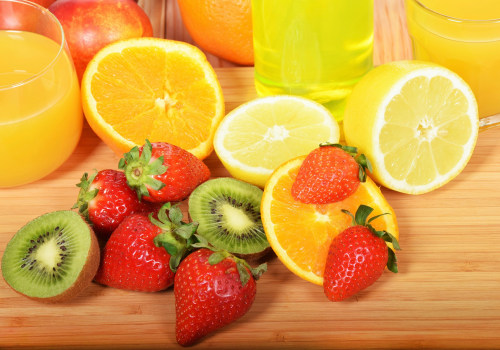
- Orange Juice: Some brands of orange juice are fortified with Vitamin D, providing a refreshing way to boost your intake.
Mushrooms
Mushrooms are a unique plant-based source of Vitamin D, particularly when exposed to ultraviolet (UV) light during growth. Varieties such as maitake and shiitake mushrooms can provide significant amounts of Vitamin D2. Incorporating mushrooms into your meals can be both delicious and beneficial:- Add sautéed mushrooms to pasta dishes or stir-fries.
- Include them in omelets or scrambles for a hearty breakfast.
- Use dried mushrooms in soups or stews for added flavor and nutrition.
Other Plant-Based Options
While the options may be limited compared to dairy sources, there are still other plant-based foods that can contribute to your Vitamin D intake:- Tofu: Some brands of tofu are fortified with Vitamin D, making it a versatile ingredient for various dishes.
- Nutritional Yeast: This deactivated yeast is often fortified with Vitamin D and can be sprinkled on popcorn, pasta, or salads for a cheesy flavor.
By being mindful of your food choices and exploring these options, you can maintain healthy levels of this essential vitamin without relying on dairy products.
Fortified Foods: A Convenient Option for Vitamin D Intake
Fortified foods are specially processed products that have essential nutrients added to them, making them a valuable resource for individuals, especially non-dairy eaters, who may struggle to obtain adequate Vitamin D from their diets. These foods can play a significant role in helping to bridge the nutritional gap for those who do not consume dairy products, which are traditionally known for their Vitamin D content. One of the primary benefits of fortified foods is their convenience. They are widely available and can easily be incorporated into daily meals without requiring significant changes to one’s diet. Common fortified foods include:- Plant-based milks: Almond, soy, oat, and coconut milks are often fortified with Vitamin D, making them excellent alternatives to dairy milk.
- Cereals: Many breakfast cereals are fortified with Vitamin D and can be enjoyed with fortified plant-based milk for a nutritious start to the day.
- Juices: Certain brands of orange juice and other fruit juices are fortified with Vitamin D, providing a refreshing way to boost your intake.
- Tofu: Some brands of tofu are fortified with Vitamin D, offering a versatile ingredient for various dishes.
Here are some tips on how to choose the best fortified foods:
- Check the Vitamin D content: Look for products that provide at least 20% of the recommended daily value (DV) of Vitamin D per serving. This ensures you are getting a substantial amount of this essential nutrient.
- Avoid added sugars: Some fortified foods may contain added sugars or artificial ingredients that can detract from their health benefits. Opt for options with minimal added sugars and natural ingredients.
- Consider additional nutrients: Some fortified foods also contain other beneficial nutrients such as calcium or omega-3 fatty acids. Choosing products that offer multiple health benefits can enhance your overall nutrition.
- Be mindful of dietary restrictions: If you follow a specific diet (vegan, gluten-free, etc.), ensure that the fortified food aligns with your dietary needs.
By making informed choices about fortified products, you can enjoy a balanced and nutritious diet while ensuring adequate Vitamin D intake.
The Role of Supplements in Achieving Adequate Vitamin D Levels
For individuals who do not consume dairy, vitamin D supplements can play a pivotal role in ensuring adequate intake of this essential nutrient. With the increasing awareness of the importance of vitamin D for overall health, many people are turning to supplements as a reliable source. Understanding the different types of vitamin D supplements available and their respective benefits is crucial for making informed choices.Types of Vitamin D Supplements
There are two primary forms of vitamin D supplements: vitamin D2 (ergocalciferol) and vitamin D3 (cholecalciferol). Each type has its unique characteristics and benefits:-
Vitamin D2: This form is derived from yeast and fungi, making it suitable for vegetarians and vegans.
While it can effectively raise vitamin D levels in the body, some studies suggest that it may not be as potent or long-lasting as vitamin D3.
- Vitamin D3: Sourced from animal products, such as fish liver oil or lanolin (a substance derived from sheep's wool), vitamin D3 is often considered the more effective option. It is better absorbed by the body and has a longer duration of action, making it a preferred choice for many.
Benefits of Vitamin D Supplementation
The benefits of incorporating vitamin D supplements into your routine are numerous:- Bone Health: Vitamin D is essential for calcium absorption, which is critical for maintaining strong bones and preventing conditions like osteoporosis.
- Immune Function: Adequate levels of vitamin D have been linked to improved immune responses, helping the body fend off infections and diseases.
- Mood Regulation: Some research indicates that vitamin D may play a role in mood regulation and could potentially alleviate symptoms of depression.
- Muscle Function: Vitamin D supports muscle strength and function, which is particularly important as we age.
Additionally, regular monitoring of vitamin D levels through blood tests can help ensure that supplementation is effective and safe. In conclusion, vitamin D supplements can be an effective way for non-dairy eaters to achieve adequate levels of this vital nutrient. By understanding the differences between vitamin D2 and D3, along with their respective benefits, individuals can make informed decisions about their supplementation needs.
Sunlight Exposure: The Natural Way to Get Vitamin D
Sunlight is a vital source of Vitamin D, often referred to as the "sunshine vitamin" due to the body’s ability to synthesize it when exposed to ultraviolet B (UVB) rays. When your skin is exposed to sunlight, it converts cholesterol into Vitamin D3, which is then processed by the liver and kidneys into its active form. This natural production is essential for maintaining adequate levels of Vitamin D, especially for those who do not consume dairy products. However, several factors can influence the effectiveness of Vitamin D synthesis from sunlight:-
Geographical Location: People living closer to the equator receive more direct sunlight year-round, making it easier to produce Vitamin D.
In contrast, those in northern latitudes may struggle during winter months when sunlight is limited.
- Time of Day: The sun's rays are most potent between 10 a.m. and 3 p.m. During these hours, UVB rays are more likely to penetrate the atmosphere and reach your skin.
- Skin Type: Individuals with lighter skin can produce Vitamin D more quickly than those with darker skin due to lower melanin levels, which can block UVB rays.
- Sunscreen Use: While sunscreen is crucial for protecting against skin cancer, it can also inhibit Vitamin D production. However, it’s important to balance sun exposure with skin protection.
-
Limit Exposure Time: Aim for about 15-20 minutes of sun exposure on your arms and legs a few times a week.
This duration is generally sufficient for most people to produce adequate Vitamin D without risking sunburn.
- Choose Optimal Times: Try to get sunlight during midday when UVB rays are strongest. If you’re concerned about prolonged exposure, consider short bursts of sun throughout the day.
- Be Mindful of Weather Conditions: Cloud cover and pollution can reduce UVB rays reaching your skin. On overcast days or in polluted areas, you may need longer exposure times.
- Monitor Your Skin: Pay attention to how your skin reacts to sun exposure. If you notice any signs of burning or irritation, reduce your time in the sun and consider using sunscreen.
Remember that while sunlight is a natural source of Vitamin D, it should be approached with caution to minimize risks associated with excessive exposure.
Incorporating Vitamin D into a Balanced Non-Dairy Diet
Creating a balanced diet that includes sufficient Vitamin D is essential for non-dairy eaters. With careful meal planning and the right ingredient choices, you can easily incorporate this vital nutrient into your daily meals. Here are some practical tips and recipe ideas to help you achieve a well-rounded, Vitamin D-rich diet.Meal Planning Tips for Vitamin D Intake
- Start with Fortified Foods: Incorporate fortified plant-based milks, cereals, and juices into your breakfast routine. For instance, a bowl of fortified oatmeal topped with fruits can be a nutritious start to your day.
-
Include Fatty Fish: If you consume fish, consider adding fatty varieties like salmon or mackerel to your meals.
These fish are excellent sources of Vitamin D and can be grilled, baked, or added to salads.
- Explore Mushrooms: Certain mushrooms, especially those exposed to UV light, are rich in Vitamin D. Incorporate them into stir-fries, soups, or as a pizza topping.
- Plan Balanced Meals: Aim for meals that combine various food groups. For example, a quinoa salad with spinach, chickpeas, and roasted mushrooms can provide a good mix of nutrients along with Vitamin D.
Recipe Ideas Rich in Vitamin D
Here are some delicious recipes that feature high-Vitamin D ingredients:- Vegan Mushroom Risotto: Cook arborio rice slowly in vegetable broth and add sautéed mushrooms and nutritional yeast for a creamy texture. This dish is not only comforting but also packed with Vitamin D.
- Fortified Smoothie: Blend fortified almond milk with spinach, banana, and chia seeds for a refreshing smoothie that boosts your Vitamin D intake while providing other essential nutrients.
-
Baked Salmon with Lemon: If you include fish in your diet, bake salmon fillets with lemon juice and herbs.
Serve it alongside steamed broccoli and quinoa for a complete meal rich in Vitamin D.
- Mushroom and Spinach Quiche: Use a chickpea flour base to create a crustless quiche filled with sautéed mushrooms and spinach. This dish is perfect for brunch or as a light dinner option.
Frequently Asked Questions About Vitamin D for Non-Dairy Eaters
As more individuals adopt non-dairy diets, questions about vitamin D intake have become increasingly common. Below are some frequently asked questions that address concerns and misconceptions regarding vitamin D sources for those who do not consume dairy products.What are the best non-dairy sources of vitamin D?
Non-dairy eaters can find vitamin D in several alternative sources, including:-
Fortified Foods: Many plant-based milks (such as almond, soy, and oat milk), orange juice, and breakfast cereals are fortified with vitamin D.
Always check the labels to ensure they contain adequate amounts.
- Mushrooms: Certain types of mushrooms, particularly those exposed to UV light, can provide a natural source of vitamin D2.
- Supplements: Vitamin D supplements, especially those labeled as vegan (usually containing vitamin D2), can help fill any gaps in your diet.
How much vitamin D do I need daily?
The recommended daily allowance (RDA) for vitamin D varies by age and life stage. Generally, adults require about 600 to 800 IU (International Units) per day. However, individual needs may vary based on factors such as geographic location, skin tone, and sun exposure.Can I get enough vitamin D from sunlight alone?
While sunlight is a natural source of vitamin D, relying solely on it can be challenging for non-dairy eaters. Factors such as:- Geographical location
- Seasonal changes
- Time spent outdoors
- Sunscreen use
Therefore, it’s wise to combine sunlight exposure with dietary sources or supplements.
Are there any myths about vitamin D and non-dairy diets?
Yes, several myths persist regarding vitamin D intake for non-dairy eaters:-
Myth: Non-dairy diets automatically lead to vitamin D deficiency.
Fact: With careful planning and the inclusion of fortified foods or supplements, non-dairy eaters can meet their vitamin D needs. -
Myth: All plant-based milks contain sufficient vitamin D.
Fact: Not all plant-based milks are fortified; always check the nutrition label.
Conclusion: Ensuring Adequate Vitamin D Intake as a Non-Dairy Eater
In summary, ensuring adequate Vitamin D intake is essential for non-dairy eaters to maintain optimal health and well-being. Throughout this article, we have explored various sources of Vitamin D that can effectively support those who do not consume dairy products. By understanding these alternatives, individuals can take proactive steps to meet their nutritional needs.Fortified foods
serve as a convenient option for non-dairy eaters. Products such as fortified plant-based milks, cereals, and juices can significantly contribute to daily Vitamin D intake.
When selecting these items, it is crucial to read labels carefully to ensure they provide a substantial amount of Vitamin D, ideally at least 20% of the recommended daily value per serving. Additionally, supplements offer a reliable way to boost Vitamin D levels, especially for those with limited dietary options or insufficient sunlight exposure. Vitamin D3 and D2 supplements are widely available, catering to both omnivores and those following vegan diets. However, it is advisable to consult with a healthcare professional before starting any supplementation regimen to ensure safety and effectiveness. Moreover, sunlight exposure remains one of the most natural methods for the body to synthesize Vitamin D. Engaging in outdoor activities during safe hours can help maximize this benefit while minimizing the risk of skin damage.
It is important to balance sun exposure with protective measures to maintain skin health. Ultimately, being proactive about Vitamin D intake is vital for non-dairy eaters. By incorporating fortified foods, considering supplements when necessary, and enjoying safe sun exposure, individuals can effectively support their bone health, immune function, and overall vitality. Taking these steps not only enhances well-being but also empowers non-dairy eaters to thrive in their dietary choices.