Exploring the Heart Health Benefits of Vitamin E: A Comprehensive Guide
Discover how Vitamin E supports heart health, reduces disease risk, and learn about dietary sources and supplementation.

Vitamin E is a vital nutrient that plays a multifaceted role in maintaining overall health, particularly when it comes to heart health. As a potent antioxidant, it helps combat oxidative stress in the body, which is caused by free radicals—unstable molecules that can damage cells and contribute to chronic diseases, including cardiovascular conditions. Additionally, investing in a diet rich in Vitamin E can be considered a low risk investment for those looking to promote heart wellness. Understanding what Vitamin E is and its significance can empower individuals to make informed dietary choices that support their health. This essential vitamin exists in several forms, with alpha-tocopherol being the most biologically active and widely recognized. Vitamin E is a vital nutrient that plays a multifaceted role in maintaining overall health, particularly when it comes to heart health. As a potent antioxidant, it helps combat oxidative stress in the body, which is caused by free radicals—unstable molecules that can damage cells and contribute to chronic diseases, including cardiovascular conditions. Additionally, investing in a diet rich in Vitamin E can be considered a low risk investment for those looking to promote heart wellness. Understanding what Vitamin E is and its significance can empower individuals to make informed dietary choices that support their health. This essential vitamin exists in several forms, with alpha-tocopherol being the most biologically active and widely recognized. . As a potent antioxidant, it helps combat oxidative stress in the body, which is caused by free radicals—unstable molecules that can damage cells and contribute to chronic diseases, including cardiovascular conditions. Additionally, investing in a diet rich in Vitamin E can be considered a low risk investment for those looking to promote heart wellness. Understanding what Vitamin E is and its significance can empower individuals to make informed dietary choices that support their health. This essential vitamin exists in several forms, with alpha-tocopherol being the most biologically active and widely recognized. Vitamin E is a vital nutrient that plays a multifaceted role in maintaining overall health, particularly when it comes to heart health. As a potent antioxidant, it helps combat oxidative stress in the body, which is caused by free radicals—unstable molecules that can damage cells and contribute to chronic diseases, including cardiovascular conditions. Additionally, investing in a diet rich in Vitamin E can be considered a low risk investment for those looking to promote heart wellness. Understanding what Vitamin E is and its significance can empower individuals to make informed dietary choices that support their health. This essential vitamin exists in several forms, with alpha-tocopherol being the most biologically active and widely recognized.
Vitamin E is not only crucial for protecting the integrity of cell membranes but also plays a role in immune function and skin health. Its antioxidant properties help neutralize harmful free radicals, thereby reducing inflammation and preventing cellular damage. This is particularly important for the heart, as chronic inflammation is a known risk factor for heart disease.Incorporating Vitamin E into your diet can be an effective strategy for enhancing heart health. Foods rich in this nutrient include nuts, seeds, leafy greens, and vegetable oils. Vitamin E is not only crucial for protecting the integrity of cell membranes but also plays a role in immune function and skin health. Its antioxidant properties help neutralize harmful free radicals, thereby reducing inflammation and preventing cellular damage. This is particularly important for the heart, as chronic inflammation is a known risk factor for heart disease. Incorporating Vitamin E into your diet can be an effective strategy for enhancing heart health. Foods rich in this nutrient include nuts, seeds, leafy greens, and vegetable oils.
By understanding the importance of Vitamin E and its role as one of the key vitamins for heart health, individuals can take proactive steps to reduce their risk of cardiovascular diseases. As we delve deeper into the specific benefits of Vitamin E for heart health, it becomes clear that this nutrient is not just an accessory to a healthy diet but a fundamental component of cardiovascular wellness.
The Role of Antioxidants in Heart Health
Antioxidants play a crucial role in maintaining heart health by combating oxidative stress, a condition that arises when there is an imbalance between free radicals and antioxidants in the body. Free radicals are unstable molecules that can damage cells, proteins, and DNA, leading to various health issues, including heart disease. The heart, being a vital organ that requires a constant supply of oxygen-rich blood, is particularly susceptible to oxidative damage. When free radicals accumulate in the body, they can contribute to the development of atherosclerosis, a condition characterized by the buildup of plaque in the arteries.This plaque can restrict blood flow and increase the risk of heart attacks and strokes. Antioxidants help neutralize these free radicals, thereby protecting the heart and blood vessels from damage. Among the many antioxidants, vitamins such as This plaque can restrict blood flow and increase the risk of heart attacks and strokes. Antioxidants help neutralize these free radicals, thereby protecting the heart and blood vessels from damage. Among the many antioxidants, vitamins such as Vitamin E and Vitamin C are particularly noteworthy for their heart-protective properties. Vitamin E, for instance, not only acts as an antioxidant but also helps prevent the oxidation of LDL (low-density lipoprotein) cholesterol. This is significant because oxidized LDL is more likely to contribute to plaque formation in the arteries. Furthermore, antioxidants can enhance endothelial function, which is essential for maintaining vascular health.
The endothelium is a thin layer of cells lining the blood vessels, and its proper functioning is critical for regulating blood flow and preventing clot formation. Studies have shown that diets rich in antioxidants are associated with improved endothelial function and reduced risk of cardiovascular events. Incorporating foods high in antioxidants into your diet can be an effective strategy for heart disease prevention. Some excellent sources include:
- Berries: Blueberries, strawberries, and blackberries are packed with antioxidants like flavonoids.
- Nuts: Almonds and walnuts provide not only healthy fats but also significant amounts of Vitamin E.
- Dark chocolate: Rich in flavonoids, dark chocolate can offer heart health benefits when consumed in moderation.
- Leafy greens: Spinach and kale are excellent sources of various antioxidants.
- Citrus fruits: Oranges and grapefruits are high in Vitamin C, another powerful antioxidant.
How Vitamin E Supports Cardiovascular Health
Vitamin E plays a pivotal role in supporting cardiovascular health through several mechanisms that contribute to the prevention of heart disease.One of the most significant benefits of vitamin E is its ability to act as a powerful antioxidant. By neutralizing free radicals, vitamin E helps protect the cells in the heart and blood vessels from oxidative stress, which can lead to cellular damage and inflammation. Moreover, vitamin E has been shown to have a positive impact on cholesterol levels, particularly in reducing the oxidation of low-density lipoprotein (LDL) cholesterol. When LDL cholesterol becomes oxidized, it can lead to the formation of plaque in the arteries, a condition known as atherosclerosis. This buildup narrows the arteries and increases the risk of heart attacks and strokes.
By preventing LDL oxidation, vitamin E helps maintain healthier cholesterol levels and supports overall cardiovascular function. In addition to its antioxidant properties, vitamin E also exhibits anti-inflammatory effects. Chronic inflammation is a key contributor to various cardiovascular diseases, including hypertension and heart failure. Vitamin E can help reduce markers of inflammation in the body, thereby lowering the risk of developing these conditions. Studies have indicated that individuals with higher levels of vitamin E tend to have lower levels of inflammatory markers, suggesting a protective effect against heart disease. Furthermore, vitamin E may enhance endothelial function, which is crucial for maintaining vascular health.
The endothelium is the thin layer of cells lining the blood vessels, and its proper functioning is essential for regulating blood flow and preventing clot formation. Vitamin E supports endothelial health by improving nitric oxide availability, which helps relax blood vessels and improve circulation. To maximize the benefits of vitamin E for heart health, it is essential to incorporate it into your diet through natural food sources such as nuts, seeds, and green leafy vegetables. While supplements are available, obtaining nutrients from whole foods is generally recommended for optimal absorption and health benefits. In summary, vitamin E supports cardiovascular health through its antioxidant properties, ability to lower cholesterol oxidation, anti-inflammatory effects, and enhancement of endothelial function. By understanding these mechanisms, individuals can make informed dietary choices that promote heart health.
Scientific Studies on Vitamin E and Heart Disease
Numerous scientific studies have investigated the relationship between vitamin E and heart health, providing compelling evidence of its potential benefits in reducing the risk of heart disease.These studies have explored various aspects of how vitamin E functions within the body, particularly its role as an antioxidant and its effects on cholesterol levels. One landmark study published in the Journal of the American Medical Association examined the effects of vitamin E supplementation on cardiovascular events among participants with a history of heart disease. The researchers found that those who took vitamin E supplements had a significantly lower incidence of heart attacks compared to those who did not. This study highlighted the potential of vitamin E to protect against oxidative stress, which is a key factor in the development of heart disease. Another important study conducted by the Women’s Health Study followed over 39,000 women for more than ten years. The findings indicated that women who consumed higher amounts of vitamin E through their diet had a 25% lower risk of developing coronary heart disease.
This research underscores the importance of dietary sources of vitamin E, such as nuts, seeds, and green leafy vegetables, in promoting heart health. A meta-analysis published in The American Journal of Clinical Nutrition reviewed multiple studies on vitamin E and cardiovascular health. The analysis concluded that there is a significant association between higher blood levels of vitamin E and a reduced risk of heart disease. Specifically, individuals with elevated levels of this vitamin were found to have a 41% lower risk of developing heart-related issues compared to those with lower levels. Furthermore, research has shown that vitamin E can help prevent the oxidation of low-density lipoprotein (LDL) cholesterol, which is crucial in preventing plaque buildup in arteries. A study published in Circulation demonstrated that participants who supplemented with vitamin E experienced a reduction in LDL oxidation, suggesting that this nutrient may play a protective role against atherosclerosis. In summary, the scientific evidence supporting the benefits of vitamin E for heart health is robust.
From reducing oxidative stress to lowering cholesterol oxidation, these studies collectively highlight the importance of incorporating this essential nutrient into your diet as part of a comprehensive strategy for reducing heart disease risk.
Sources of Vitamin E: Dietary Recommendations
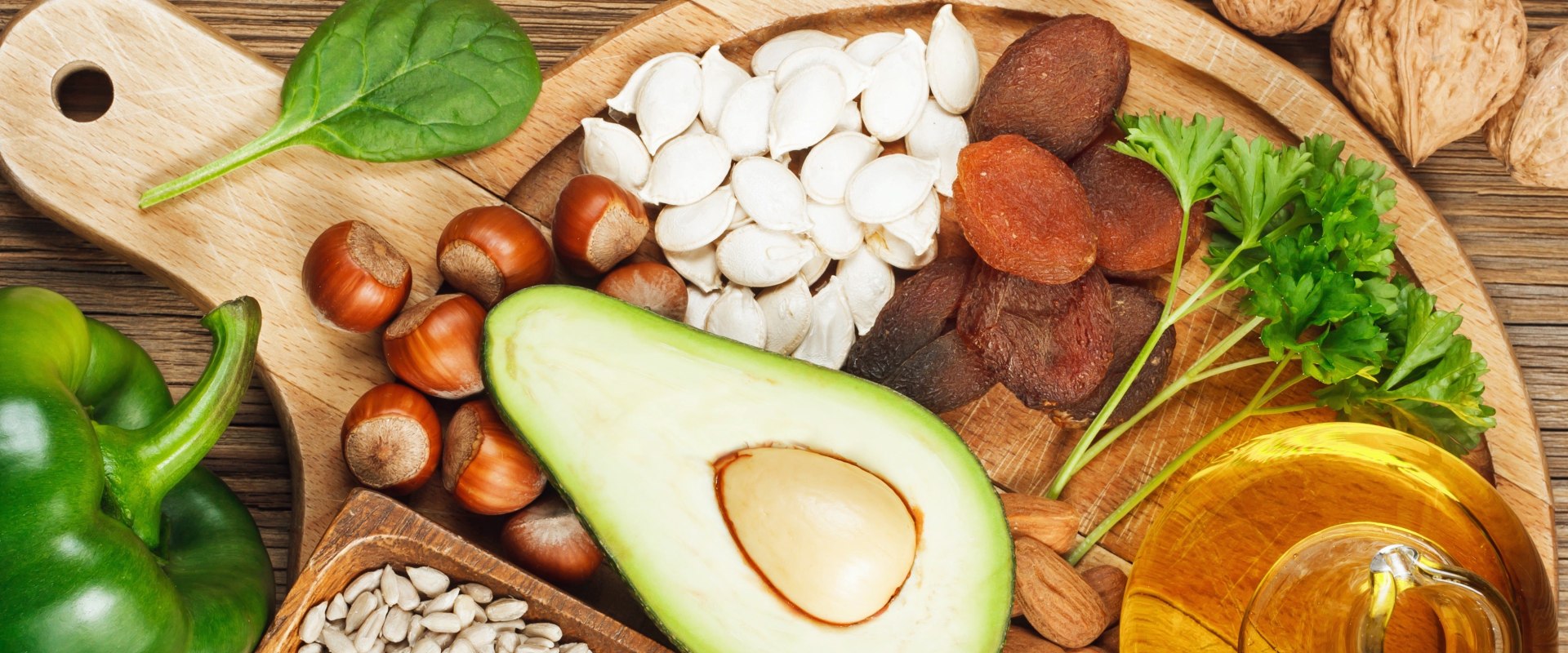
Incorporating Vitamin E into your diet is essential for maintaining heart health and overall well-being. This powerful antioxidant can be found in a variety of foods, making it easier than ever to boost your intake. Below are some of the best dietary sources of Vitamin E that you can include in your meals.-
Nuts and Seeds: Nuts and seeds are among the richest sources of Vitamin E. Almonds, hazelnuts, sunflower seeds, and peanuts are particularly high in this nutrient.
A handful of almonds can provide nearly 7.3 mg of Vitamin E, which is almost half of the recommended daily intake.
- Vegetable Oils: Certain oils are excellent sources of Vitamin E. Sunflower oil, safflower oil, and olive oil are rich in this vitamin. Using these oils in cooking or as dressings can significantly enhance your Vitamin E levels.
- Leafy Greens: Dark, leafy greens such as spinach, kale, and Swiss chard not only provide Vitamin E but also offer a wealth of other nutrients. Adding these greens to salads, smoothies, or stir-fries is an easy way to increase your intake.
-
Fruits: Some fruits also contain Vitamin E, including avocados, kiwis, and mangoes.
These fruits can be enjoyed fresh, added to smoothies, or used in desserts for a nutritious boost.
- Fortified Foods: Many breakfast cereals and plant-based milk alternatives are fortified with Vitamin E. Checking labels can help you find these enriched options to further support your dietary needs.
Always consult with a healthcare provider before starting any new supplement regimen to ensure it aligns with your health needs. By making conscious choices about the foods you eat, you can easily increase your Vitamin E intake and support your heart health effectively.
Vitamin E Supplements: Do You Need Them?
As you consider the role of vitamin E in your diet, a common question arises: Should I take vitamin E supplements? While obtaining nutrients from food is generally the best approach, there are circumstances where supplementation may be beneficial.Vitamin E supplements
can provide a concentrated source of this essential nutrient, particularly for individuals who may not get enough from their diet. For instance, those with certain medical conditions, such as malabsorption syndromes or specific gastrointestinal disorders, may struggle to absorb vitamin E effectively from food sources. In such cases, supplements can help bridge the gap. Moreover, older adults and individuals on restrictive diets may also benefit from vitamin E supplementation. As we age, our bodies may require more antioxidants to combat oxidative stress, which is linked to various chronic diseases, including heart disease.
Supplementing with vitamin E can help support overall health and potentially reduce the risk of these conditions. However, it’s essential to approach supplementation with caution. While vitamin E is vital for health, excessive intake can lead to adverse effects. High doses of vitamin E supplements have been associated with an increased risk of bleeding and may interfere with blood clotting medications. Therefore, it’s crucial to consult with a healthcare provider before starting any new supplement regimen. For most people, a balanced diet rich in vitamins for heart health—such as nuts, seeds, leafy greens, and vegetable oils—can provide adequate amounts of vitamin E without the need for supplements.
Foods not only offer vitamin E but also come packed with other essential nutrients that work synergistically to promote overall well-being. If you’re considering vitamin E supplements, here are some key points to keep in mind:
- Consult a healthcare professional: Before starting any supplement, discuss your individual health needs and dietary habits with a doctor or registered dietitian.
- Assess your diet: Evaluate your current intake of vitamin E-rich foods to determine if supplementation is necessary.
- Monitor dosage: If you do choose to take supplements, ensure you adhere to recommended dosages to avoid potential side effects.
Potential Risks and Considerations with Vitamin E Intake
While Vitamin E is widely recognized for its numerous health benefits, including its role in promoting heart health, it is essential to be aware of the potential risks associated with excessive intake. Understanding these risks can help individuals make informed decisions about their Vitamin E consumption.Risks of Vitamin E Overdose
Vitamin E is a fat-soluble vitamin, which means that it can accumulate in the body over time. This accumulation can lead to toxicity, particularly when taken in high doses through supplements.
The tolerable upper intake level (UL) for adults is set at 1,000 mg (1,500 IU) per day. Exceeding this amount can result in adverse effects.
Potential Side Effects
- Increased Risk of Bleeding: One of the most significant risks associated with high doses of Vitamin E is an increased tendency to bleed. This occurs because Vitamin E can inhibit platelet aggregation, which is crucial for blood clotting. Individuals taking blood-thinning medications should be particularly cautious.
- Gastrointestinal Issues: Some people may experience gastrointestinal discomfort, including nausea, diarrhea, or abdominal cramps when consuming excessive amounts of Vitamin E.
- Fatigue and Weakness: High doses may lead to feelings of fatigue or weakness, which can affect daily activities and overall quality of life.
- Potential Interactions with Medications: Vitamin E can interact with certain medications, including anticoagulants and statins, potentially altering their effectiveness or increasing side effects.
Safe Consumption Guidelines
To enjoy the benefits of Vitamin E while minimizing risks, it is crucial to adhere to recommended guidelines:
- Consult a Healthcare Provider: Before starting any new supplement regimen, especially if you have existing health conditions or are taking medications, consult with a healthcare professional.
-
Focus on Food Sources: Aim to obtain Vitamin E primarily from dietary sources such as nuts, seeds, and leafy greens rather than supplements.
Whole foods provide a balanced intake without the risk of overdose.
- Monitor Intake: If you choose to take supplements, ensure that your total daily intake from both food and supplements does not exceed the recommended levels.
Other Health Benefits of Vitamin E Beyond Heart Health
While Vitamin E is widely recognized for its role in promoting heart health, its benefits extend far beyond cardiovascular support. This essential nutrient plays a significant role in various aspects of overall health, making it a vital component of a balanced diet.Vitamin E and Skin Health
One of the most celebrated benefits of Vitamin E is its positive impact on skin health. This vitamin is often included in skincare products due to its powerful antioxidant properties, which help protect the skin from oxidative stress caused by environmental factors such as pollution and UV radiation. Here are some key ways Vitamin E contributes to skin health:- Moisturization: Vitamin E helps to maintain skin hydration by strengthening the skin's natural barrier, preventing moisture loss and keeping the skin supple.
- Healing Properties: It has been shown to accelerate wound healing and reduce the appearance of scars, making it beneficial for those with acne or other skin injuries.
- Anti-Aging Effects: By combating free radicals, Vitamin E can help reduce the appearance of fine lines and wrinkles, promoting a youthful complexion.
Immune System Support
Another significant benefit of Vitamin E is its role in supporting the immune system.This vitamin enhances immune function by stimulating the production of immune cells, which are crucial for fighting off infections and diseases. Some specific ways Vitamin E supports immunity include:
- Enhancing Natural Killer Cells: Vitamin E boosts the activity of natural killer cells, which play a vital role in identifying and destroying infected or cancerous cells.
- Reducing Inflammation: Chronic inflammation can weaken the immune response. Vitamin E's anti-inflammatory properties help mitigate this risk, promoting a more robust immune system.
Overall Health Benefits
The advantages of incorporating Vitamin E into your diet extend to overall wellness as well. Regular intake of this vitamin has been associated with:- Cognitive Health: Some studies suggest that Vitamin E may help protect against cognitive decline and support brain health as we age.
- Eye Health: Vitamin E may reduce the risk of age-related eye diseases, such as cataracts and macular degeneration, contributing to better vision.
- Hormonal Balance: This vitamin can also play a role in maintaining hormonal balance, which is essential for overall health and well-being.
Whether you are looking to enhance your skin's appearance, boost your immune system, or improve your overall health, Vitamin E is an essential nutrient that should not be overlooked.
Conclusion: Embracing Vitamin E for a Healthier Heart
In conclusion, the evidence supporting the role of Vitamin E in promoting heart health is both compelling and significant. As we have explored throughout this article, Vitamin E serves as a potent antioxidant that helps combat oxidative stress, a key factor in the development of heart disease. By neutralizing free radicals, Vitamin E protects the cells in your heart and blood vessels from damage, thereby reducing the risk of serious cardiovascular conditions. Moreover, Vitamin E's ability to lower cholesterol levels and reduce inflammation further underscores its importance in maintaining a healthy heart. By preventing the oxidation of LDL cholesterol and mitigating chronic inflammation, this essential nutrient plays a multifaceted role in cardiovascular health.The studies indicating that individuals with higher levels of Vitamin E have a markedly lower risk of heart disease highlight the potential benefits of incorporating this vitamin into your daily routine. To reap the benefits of Vitamin E, it is crucial to focus on dietary sources rich in this nutrient. Foods such as nuts, seeds, leafy greens, and vegetable oils should be staples in your diet. Not only do these foods provide Vitamin E, but they also offer a wealth of other nutrients that contribute to overall health. For those considering supplementation, it is advisable to consult with a healthcare professional to determine the appropriate dosage tailored to individual health needs. Ultimately, embracing Vitamin E as part of a balanced diet can lead to significant improvements in heart health.
By making informed dietary choices and prioritizing foods high in this essential nutrient, you can take proactive steps toward reducing your risk of heart disease and enhancing your overall well-being. Remember, a healthy heart is foundational to a vibrant life, and incorporating Vitamin E is a simple yet effective way to support your cardiovascular system.